top of page
Search

As a keen alpinist, it blows my mind when I come accross some of the applications of our products in extreme environments, without an understanding of the risks involved within those environments. While products such as the portable woodburners, and our general adventurous ethos, further enable and encourage people to get out there and experience, it is certainly necessary to know the dangers.


We have often seen enthusiasts posting imagery of tipis and bell tents caked in snow which is also know as Bell tent Snowloading. While it does like cool, (no pun intended) it is indeed hugely dangerous. Just like snow mounds, igloos, and caves - it is important to maintain the integrity of your structure. A snow mound has 80cm minimum wall thickness, and a dome effect. This freezes over and creates a strong, bride-like shelter to rest inside.
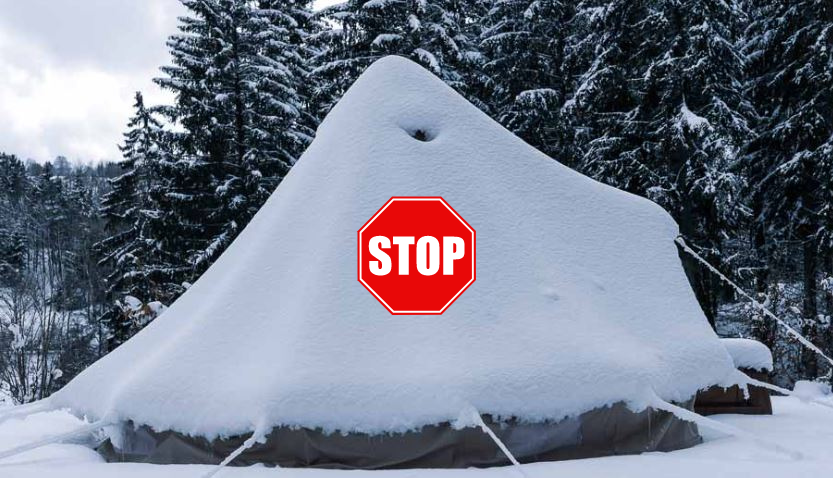


Snow loading
Dodgey

Here are some facts:


1 cubic metre of "dry" snow is roughly 50kg

wet snow is 3 time this at 150kg.


1 x 5m bell tent is approx 20sqm

With the bell tents 45deg angle roof - this adds another 50% of potential snow catchment; 30sqm x


maths: For 15cm of snow.


thats 600kg on snow on the canvas!!


When camping in snow, safety should be a top priority. Here are some important safety considerations to keep in mind:

  1. Check Weather Conditions: Before heading out, monitor weather forecasts and be aware of any potential storms, heavy snowfall, or extreme cold warnings. Plan your trip accordingly and be prepared for changing conditions.

  2. Avalanche Awareness: If you're camping in mountainous areas with avalanche risks, it's crucial to have knowledge of avalanche safety. Learn how to assess avalanche conditions, recognize warning signs, and avoid high-risk areas. Carry avalanche safety equipment such as beacons, shovels, and probes, and ensure everyone in your group knows how to use them.

  3. Plan and Share Itinerary: Inform someone reliable about your camping plans, including your route, expected duration, and emergency contacts. This ensures that someone is aware of your whereabouts and can alert authorities if needed.

  4. Proper Gear and Equipment: Use appropriate gear designed for winter camping. This includes a four-season tent capable of withstanding snow loads, insulated sleeping bags rated for cold temperatures, warm clothing layers, waterproof outerwear, sturdy boots, snowshoes or skis for mobility, and a reliable stove for cooking. Carry extra warm layers and gear in case of emergencies.

  5. Fire Safety: If you plan to have a campfire, choose a safe location away from flammable materials. Clear the area of snow and create a fire pit with rocks or a designated fire ring. Keep the fire contained and never leave it unattended. Ensure you have enough water and a shovel to extinguish the fire completely before leaving the campsite.

  6. Stay Hydrated and Nourished: Cold temperatures can increase dehydration and calorie requirements. Drink plenty of fluids and eat nutritious, high-energy foods to maintain your body's warmth and fuel.

  7. Stay Dry: Moisture can quickly lead to hypothermia in cold conditions. Keep yourself and your clothing dry. Use waterproof outer layers, change into dry clothes if they become wet, and ensure you have proper insulation and moisture-wicking layers.

  8. Navigation and Communication: Visibility can be limited in snowy conditions. Carry a map, compass, or GPS device, and know how to use them to navigate safely. It's also a good idea to have a communication device, such as a mobile phone or satellite phone, to reach out for help if needed.

  9. Cold Weather Injuries: Be aware of the signs and symptoms of cold weather injuries such as frostbite and hypothermia. Protect exposed skin, keep extremities warm, and seek shelter if necessary. Know how to recognize and treat these conditions.

  10. Practice Leave No Trace: Respect the environment and leave the campsite as you found it. Dispose of waste properly, including human waste, and minimize your impact on the fragile snow-covered ecosystems.

By prioritizing safety and being well-prepared for the challenges of camping in the snow, you can have a rewarding and enjoyable experience in winter landscapes. Always exercise caution, stay informed, and make responsible decisions to ensure a safe camping trip.


Wilderness therapy is an immersive approach to healing and personal growth that harnesses the therapeutic potential of nature. By engaging individuals in outdoor activities and providing therapeutic support, this experiential therapy promotes emotional well-being, resilience, and self-discovery. Let's explore the essence of wilderness therapy and its profound impact on individuals seeking transformation.


Waterfall in the bush
NZ forest

1. Nature as Therapy: Immersion in natural environments allows for reflection, perspective, and inner healing.


2. Challenge and Adventure: Outdoor activities push individuals beyond comfort zones, fostering personal growth and self-confidence.


3. Group Dynamics and Support: Shared experiences and a supportive community promote empathy, belonging, and interpersonal growth.


4. Therapeutic Interventions: Trained professionals facilitate individual and group therapy sessions tailored to address specific issues and goals.


Benefits:


1. Emotional Healing: Wilderness therapy provides a safe space for addressing trauma, anxiety, depression, addiction, and behavioral challenges.


2. Resilience and Coping Skills: Confronting challenges in the wilderness cultivates resilience and effective coping mechanisms.


3. Self-Confidence and Empowerment: Overcoming obstacles boosts self-confidence and empowers individuals to tackle challenges in other areas of life.


4. Interpersonal Growth: Group dynamics foster healthy communication, trust, empathy, and improved relationships.


5. Connection with Nature: Immersion in nature nurtures appreciation, environmental stewardship, and spiritual growth.


Rugged New Zealand coastline
Aucklands west coast


Wilderness therapy offers a transformative journey by combining nature, challenge, group support, and therapeutic interventions. Through emotional healing, increased resilience, self-confidence, improved relationships, and a deeper connection with nature, individuals can embark on a path of personal growth and self-discovery.


Resources

1. Bowen, D. J., & Neill, J. T. (2013). Wilderness therapy: Ethical considerations for mental health professionals. Journal of Counseling & Development, 91(2), 252-258.


2. Gass, M. A., Gillis, H. L., & Russell, K. C. (2012). Adventure therapy: Theory, research, and practice. Routledge.


3. Neill, J. T., & Dias, C. (2017). The effectiveness of wilderness therapy for adolescents with behavioral and emotional difficulties: A meta-analysis. Child & Youth Care Forum, 46(5), 687-706.


4. Russell, K. C. (2019). Wilderness therapy: Foundations, theory, research, and practice. Palgrave Macmillan.


5. Russell, K. C., & Phillips-Miller, D. (2013). Wilderness therapy as a treatment modality for at-risk youth: A primer for mental health counselors. Journal of Mental Health Counseling, 35(4), 308-322.


Updated: Jul 11, 2023


In an era marked by the rapid advancements of technology and the pursuit of modern comforts, it is refreshing to see a resurgence and interest in traditional camping experiences. Among the various types of tents available, one stands out as a symbol of style, versatility, and adventure, the bell tent. With its iconic shape, spacious interior, and unique blend of comfort and convenience, the bell tent has captivated the hearts of many outdoor enthusiasts, glampers and campers around the world. In this article, we explore the reasons why bell tents continue to be a compelling choice for those seeking a memorable and authentic camping experience.


Bell tents have a rich history dating back centuries. The tipi. With its similarities originally used by nomadic tribes, these tents were designed for durability, portability, and adaptability to diverse environments. Today, they offer a charming blend of traditional aesthetics and modern functionality, making them a timeless camping companion that evokes a sense of nostalgia and adventure. Whether you're camping in the mountains, by the beach, or in a lush forest, the bell tent's classic silhouette stands as a testament to the enduring spirit of exploration.


One of the key advantages of a bell tent is its generous living space. With high ceilings, steep walls, and a circular layout, these tents offer ample room to move around, stand up, and create separate living areas for sleeping, lounging, and storing gear. The spaciousness of bell tents allows campers to experience the outdoors without feeling confined, providing a comfortable and relaxed atmosphere for families, groups of friends, or solo adventurers.


While the bell tent's grand appearance might suggest a complicated setup, it is surprisingly easy to assemble. The central pole provides stability, and the tensioned fabric effortlessly falls into place. Bell tents eliminate the need for multiple poles and complex configurations, saving valuable time and effort. Additionally, bell tents are designed with portability in mind. They can be packed down into a compact size, fitting neatly into a car trunk or a backpack, making them an excellent choice for both car camping and backcountry adventures.


The bell tent's robust construction and weather-resistant materials make it a reliable shelter in various weather conditions. The durable canvas fabric provides excellent insulation, keeping the interior cool during hot summer days and warm during chilly evenings. The steep walls and the shape of the tent minimize wind resistance, making it more stable in gusty conditions. Additionally, the optional stove jack feature allows for safe heating during colder seasons, ensuring a cozy and comfortable camping experience year-round.


Bell tents offer remarkable versatility, allowing campers to adapt the space to their specific needs. With removable ground sheets, zippered windows, and mesh vents, the tent can be adjusted to control ventilation and natural light. Some bell tents even come with partition walls, enabling users to create separate rooms for privacy or to accommodate larger groups. Furthermore, the spacious interior can accommodate various camping furniture and accessories, such as beds, tables, and even a small seating area, adding a touch of homey comfort to the camping experience.


Bell tents beckon us to reconnect with nature and embrace a simpler, more authentic way of camping. With their timeless charm, spaciousness, ease of assembly, and adaptability, these tents embody the perfect blend of tradition and innovation. Whether you are a seasoned camper or a first-time adventurer, the bell tent promises an unforgettable outdoor experience that transports you back to a time when life was simpler, and the great outdoors were waiting to be explored. So, pack your bags, venture into the wilderness, and discover the joy and magic of camping with a bell tent as your trusty companion.


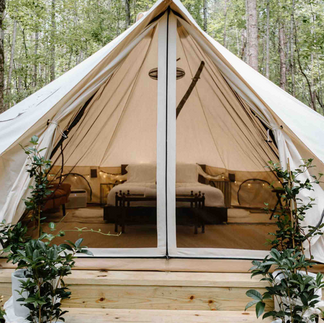
Bell tent glamping village.
Glamping village - Rotorua


bottom of page